Stanford University School of Medicine · Radiation Oncology

Islam Lab

An interdisciplinary group at the intersection of artificial intelligence, statistics, and cancer research — developing computational tools that support cancer detection, diagnostic refinement, and therapeutic decision-making.

Projects

Open research from the lab

Models, tools, and methods we develop and share across biomedical tables, networks, and single-cell biology.

Foundation Models

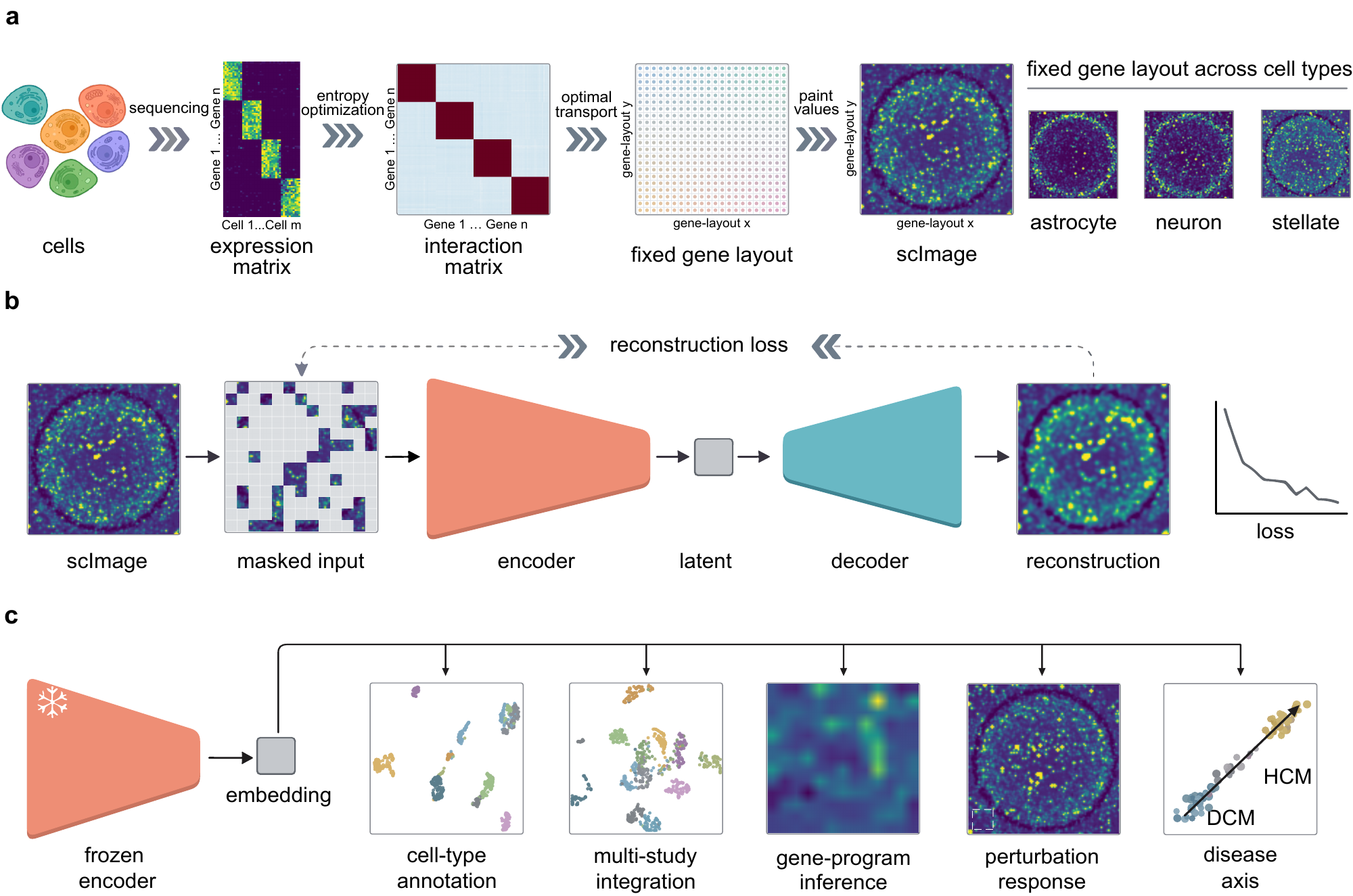
Pretrained representations designed to transfer across cells, networks, and biomedical tasks.

Graph & Network Models

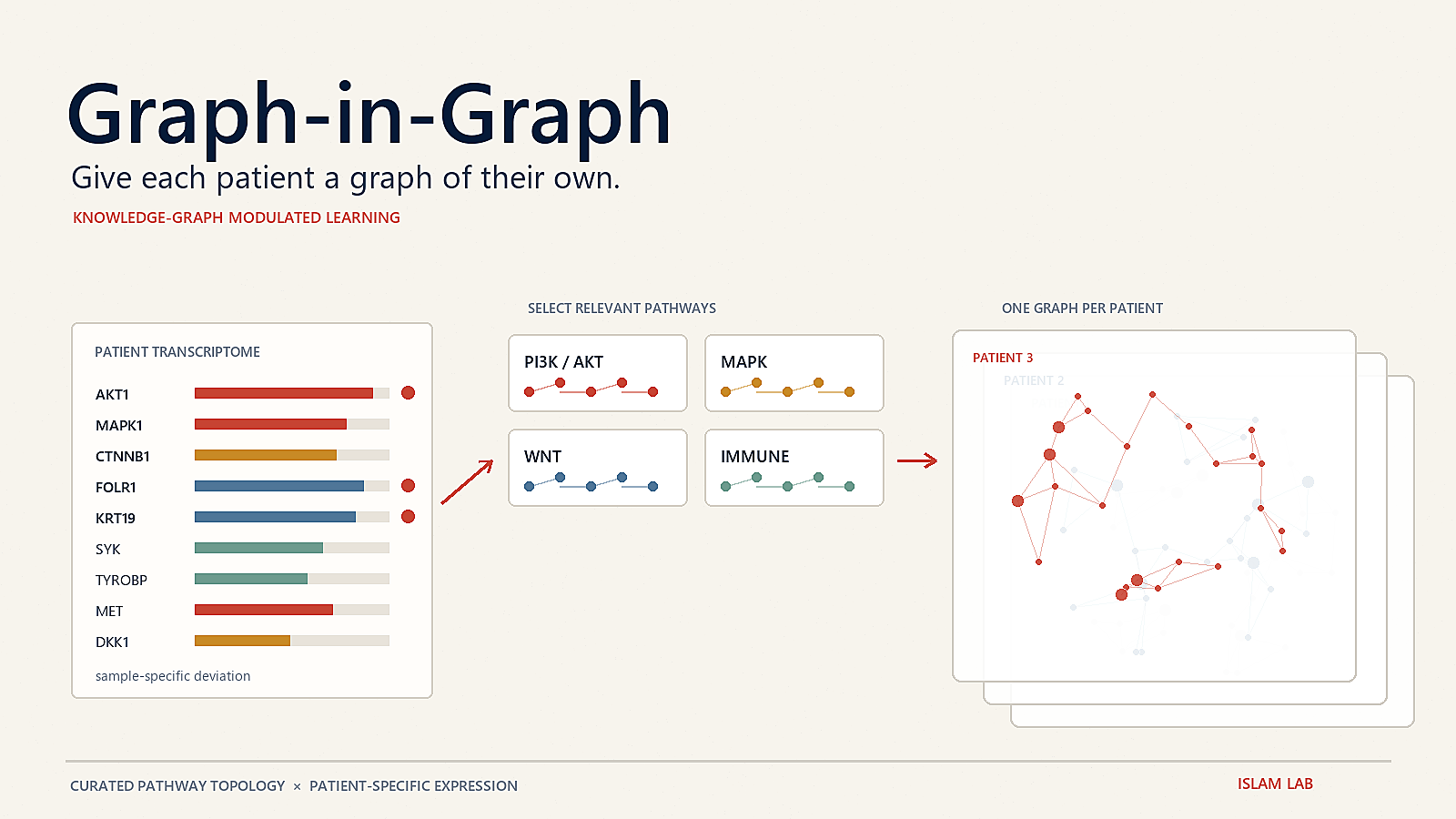
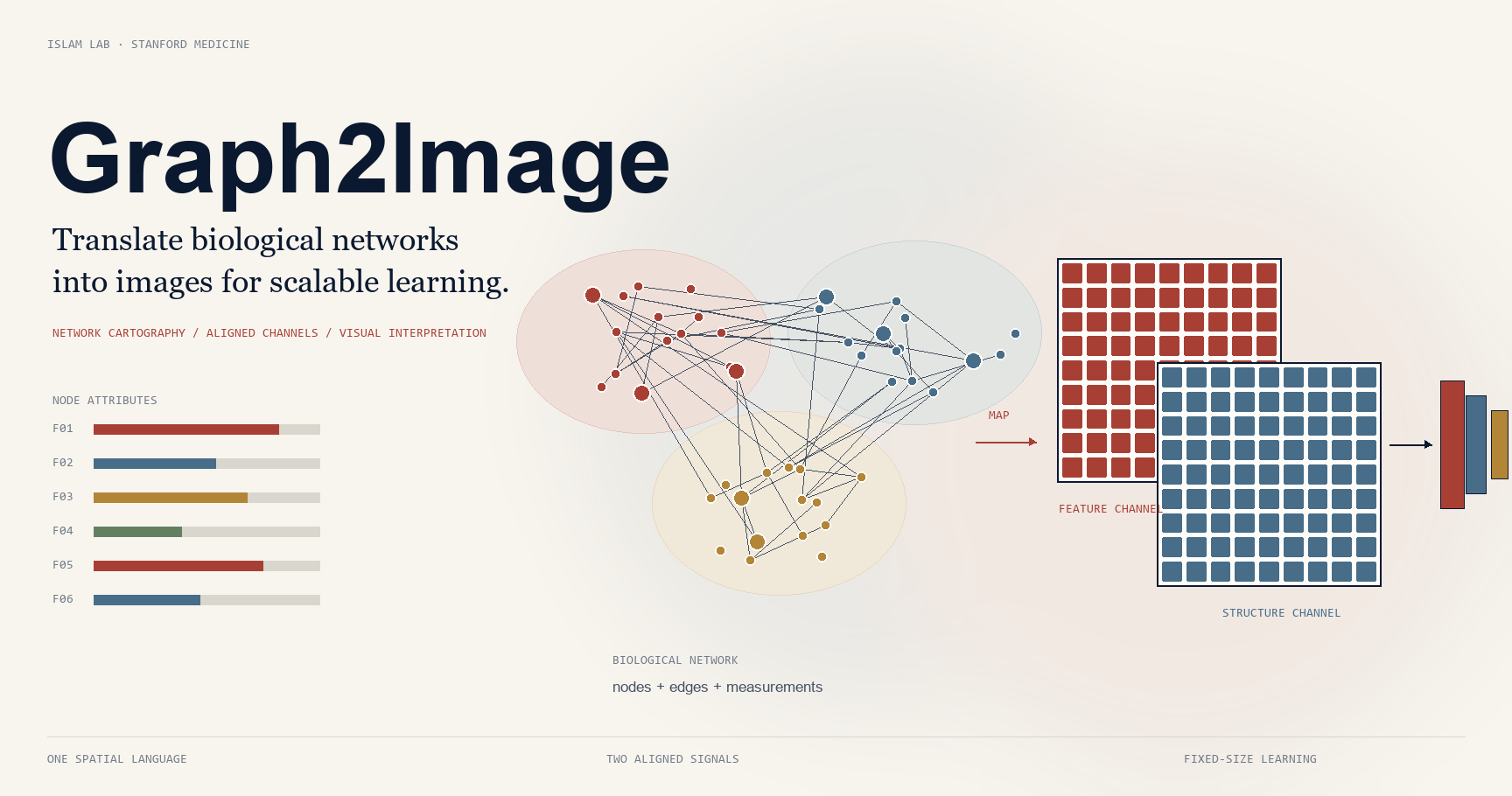
Methods that describe, construct, and learn from relational structure in biological systems.

Tabular Models

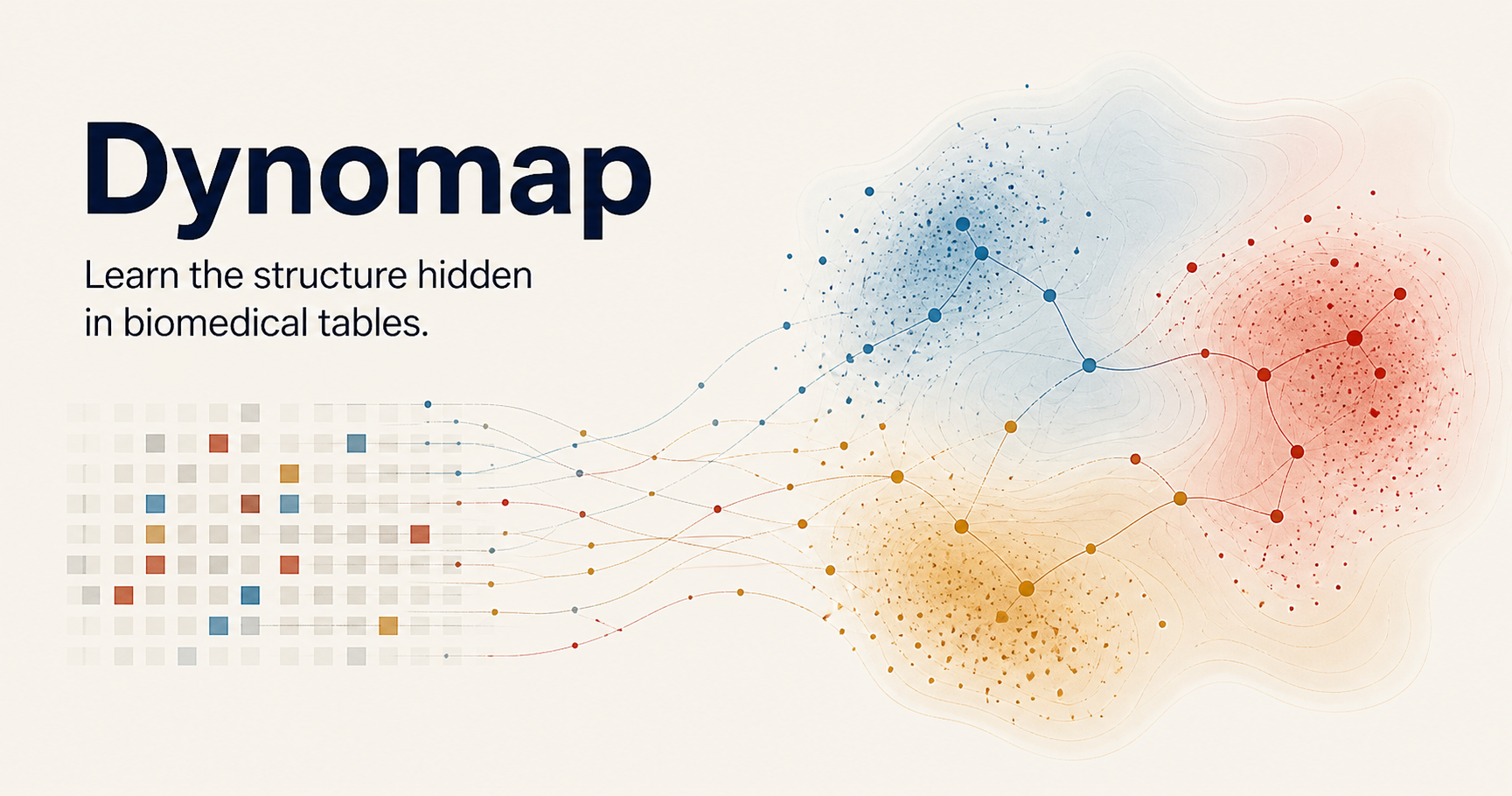
Models that discover task-relevant organization directly from high-dimensional biomedical tables.

More projects from the lab are on the way.
Research

Learning the structure of high-dimensional biology

We develop deep-learning and statistical methods that turn high-dimensional biomedical measurements — genomics, proteomics, imaging, and clinical data — into interpretable, transferable representations, and translate them toward clinical practice and biological discovery.

01

Deep learning for omics data

Tabular data hides the relationships between features. We reconfigure each sample into a spatially semantic 2D topographic map (TabMap) that keeps feature values as pixel intensities and encodes feature relationships as spatial distance — letting 2D convolutional networks extract association patterns while ranking features by importance.

Nat. Biomed. Eng. 2025
02

Deciphering the feature space

Most deep-learning applications are regressions, whose features lie on a complex high-dimensional continuum that resists visualization. Our manifold discovery and analysis (MDA) method learns the manifold topology tied to a network's outputs, preserving local geometry to reveal a model's appropriateness, generalizability, and adversarial robustness.

Nat. Commun. 2023
03

Multi-modal data analysis

In radiation oncology and medical physics, we integrate diverse data types — medical imaging, clinical records, genomic profiles, and treatment parameters — to uncover complex patterns across modalities that are invisible in any single one, improving diagnosis, prognosis, and therapeutic decision-making.

Related publications
Contact

Visit & get in touch

We are located in the Stanford Research Park in Palo Alto.

Where to find us

Stanford Research Park · Miryan Hall 3145 Porter Drive, Wing A (2nd floor)
Palo Alto, CA 94304

Free visitor parking is available on-site at 3145 Porter Drive.

Get directions

Contact & join us

Md Tauhidul Islam, PhD
Principal Investigator · Room A202
tauhid@stanford.edu

We are looking for undergraduate and graduate students and postdocs to join the lab. If your expertise and interests match our projects, please email tauhid@stanford.edu.